- dotrising.com
- Compare
- Redmi K50 Pro vs nubia Z50
Xiaomi Redmi K50 Pro vs ZTE nubia Z50
What Redmi K50 Pro does better (6) and where nubia Z50 wins (8) — every spec side by side.
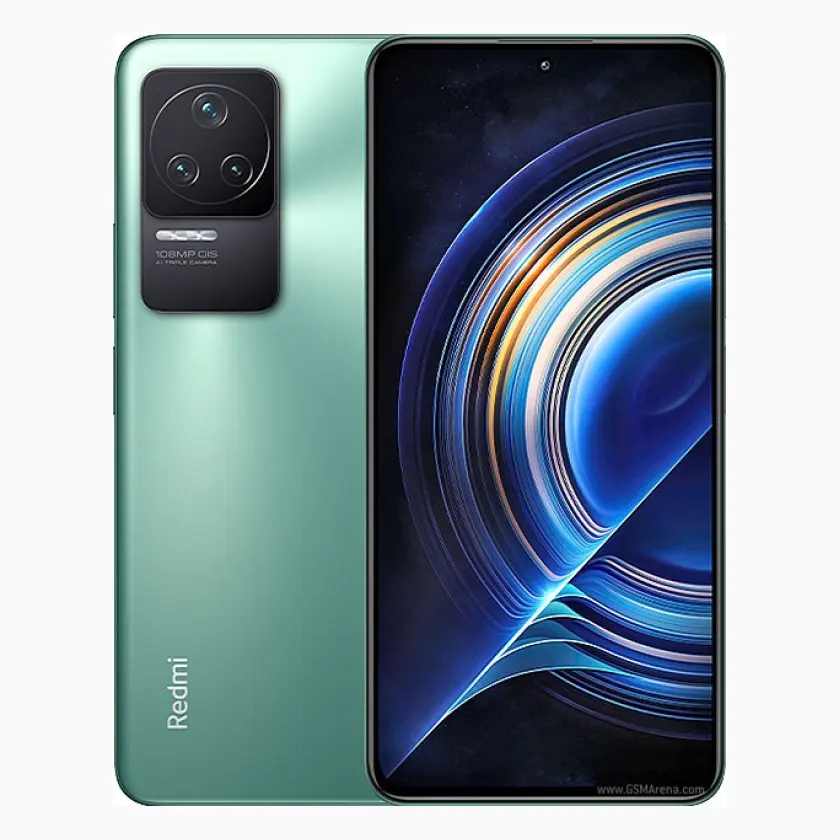
vs
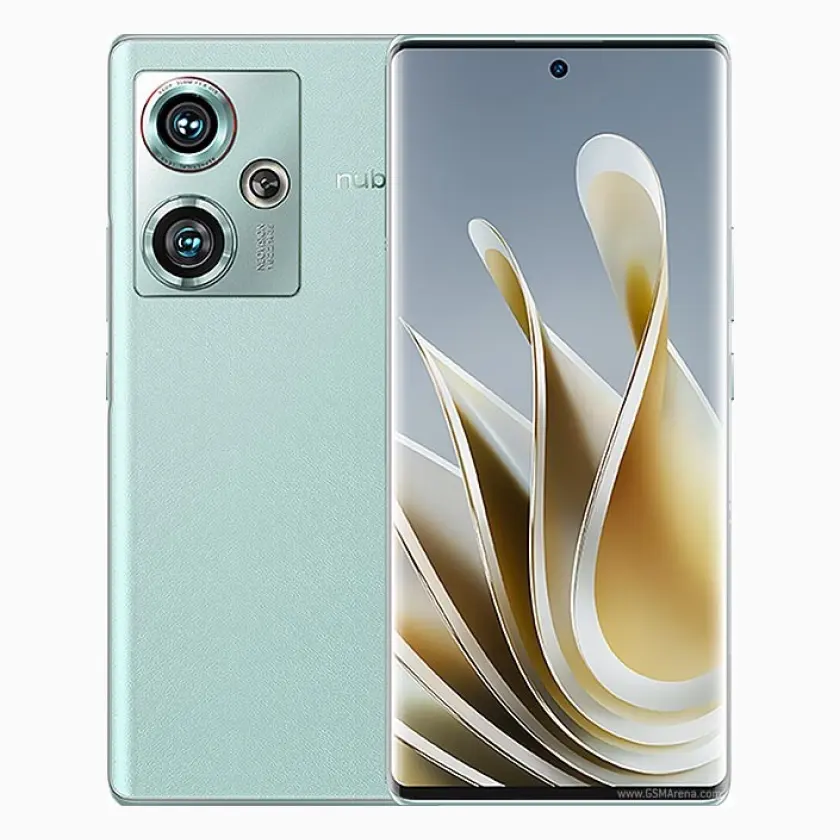
8.3Display8.1
8.6Camera9.1
7.8Battery7.4
6.9Features9.1
Dimensions
Size comparison
Redmi K50 Pronubia Z50
| Redmi K50 Pro | nubia Z50 | Difference | |
|---|---|---|---|
| Height | 163.1 mm | 162.9 mm | +0.2 mm |
| Width | 76.2 mm | 72.9 mm | +3.3 mm |
| Thickness | 8.5 mm | 8.5 mm | = |
| Weight | 201 g | 197 g | +4 g |
Drawn to the same scale from the official dimensions (front and side).
Why is Redmi K50 Pro better than nubia Z50?
- Main camera108 MP vs 64 MP+69%
- Wired charging120 W vs 80 W+50%
- Pixel density526 ppi vs 395 ppi+33%
- Peak brightness1,200 nits vs 1,000 nits+20%
- Resolution (width)1,440 px vs 1,080 px+33%
- Selfie camera20 MP vs 16 MP+25%
Why is nubia Z50 better than Redmi K50 Pro?
- Storage (max)512 GB vs 1,024 GB2×
- RAM12 GB vs 16 GB+33%
- Refresh rate120 Hz vs 144 Hz+20%
- Max video4K vs 8K
- CPU frequency3.05 GHz vs 3.2 GHz+5%
- USB version2 vs 3.1+55%
- Wi-Fi standardWi-Fi 6 vs Wi-Fi 6E+8%
- Screen-to-body ratio86.4% vs 90.4%+5%
Specifications
Side by side
| Design | ||
| Weight | 201 g | 197 g |
| Thickness | 8.5 mm | 8.5 mm |
| Height | 163.1 mm | 162.9 mm |
| Width | 76.2 mm | 72.9 mm |
| Frame | — | Aluminium |
| Back | Glass | Glass |
| Ingress protection | IP53 | — |
| Water resistance (IPx) | IPx3 | — |
| Glass protection | Corning Gorilla Glass Victus | — |
| Colours | Black, Gray, Blue, Green | Black, Silver, Mint, Rabit red |
| Display | ||
| Screen size | 6.7″ | 6.7″ |
| Panel | OLED | AMOLED |
| OLED panel | Yes | Yes |
| Resolution (width) | 1,440 px | 1,080 px |
| Resolution (height) | 3,200 px | 2,400 px |
| Pixel density | 526 ppi | 395 ppi |
| Refresh rate | 120 Hz | 144 Hz |
| Peak brightness | 1,200 nits | 1,000 nits |
| Screen-to-body ratio | 86.4% | 90.4% |
| HDR | Yes | Yes |
| Performance | ||
| Chipset | Mediatek Dimensity 9000 | Qualcomm SM8550-AB Snapdragon 8 Gen 2 |
| Chip maker | MediaTek | Qualcomm |
| Process | 4 nm | 4 nm |
| CPU cores | 8 | 8 |
| CPU frequency | 3.05 GHz | 3.2 GHz |
| GPU | Mali-G710 MC10 | Adreno 740 |
| Memory | ||
| RAM | 12 GB | 16 GB |
| Storage (max) | 512 GB | 1,024 GB |
| Storage (base) | 128 GB | 128 GB |
| Storage type | UFS 3.1 | UFS 4.0 |
| Memory card slot | No | No |
| Camera | ||
| Main camera | 108 MP | 64 MP |
| Main camera aperture | — | f/1.6 |
| Main sensor size | 1/1.52" | 1/1.7" |
| Rear cameras | 2 | 2 |
| Optical stabilisation | Yes | Yes |
| Ultra-wide camera | Yes | Yes |
| Telephoto camera | No | No |
| Max video | 4K | 8K |
| 4K video frame rate | 30 fps | — |
| Selfie camera | 20 MP | 16 MP |
| 4K selfie video | No | No |
| Battery | ||
| Battery capacity | 5,000 mAh | 5,000 mAh |
| Battery type | Li-Po | Li-Po |
| Wired charging | 120 W | 80 W |
| Charged in 30 min | 158% | — |
| Wireless charging | No | No |
| Connectivity | ||
| 5G | Yes | Yes |
| eSIM | No | No |
| Dual SIM | Yes | Yes |
| Wi-Fi standard | Wi-Fi 6 | Wi-Fi 6E |
| Bluetooth | 5.3 | 5.3 |
| NFC | Yes | Yes |
| USB | USB Type-C 2.0 | USB Type-C 3.1 |
| USB version | 2 | 3.1 |
| Dual-band GPS | Yes | Yes |
| Satellite navigation | GLONASS, GALILEO, BDS, QZSS, NavIC | GLONASS, GALILEO, BDS, QZSS |
| Features | ||
| Stereo speakers | Yes | Yes |
| 3.5 mm headphone jack | No | No |
| Fingerprint sensor | Side | Under display |
| Sensors | Fingerprint (side-mounted), accelerometer, gyro, proximity, compass | Fingerprint (under display, optical), accelerometer, gyro, proximity, compass |
| Software | ||
| OS at launch | Android 12 | Android 13 |
| Platform | Android | Android |
| Interface | MIUI 13 | MyOS 13 |

Related comparisons
 vs
 Apple iPhone 14 Pro MaxvsXiaomi Redmi K50 Pro
8.68.6
 vs
Xiaomi Redmi K70 ProvsXiaomi Redmi K50 Pro
9.38.6
vs
 Xiaomi Redmi K50 ProvsOnePlus 10R
8.68.7
 vs
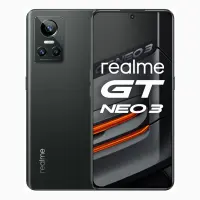
Realme GT Neo 3vsXiaomi Redmi K50 Pro
8.78.6
 vs
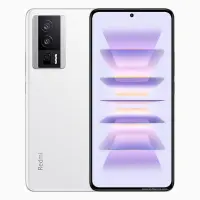
Xiaomi Redmi K60 ProvsXiaomi Redmi K50 Pro
9.28.6
vs
 Xiaomi Redmi K50 ProvsXiaomi Redmi K40 Pro
8.67.8