- dotrising.com
- Compare
- Moto G Power (2024) vs 14x (India)
Motorola Moto G Power (2024) vs Realme 14x (India)
What Moto G Power (2024) does better (10) and where 14x (India) wins (5) — every spec side by side.
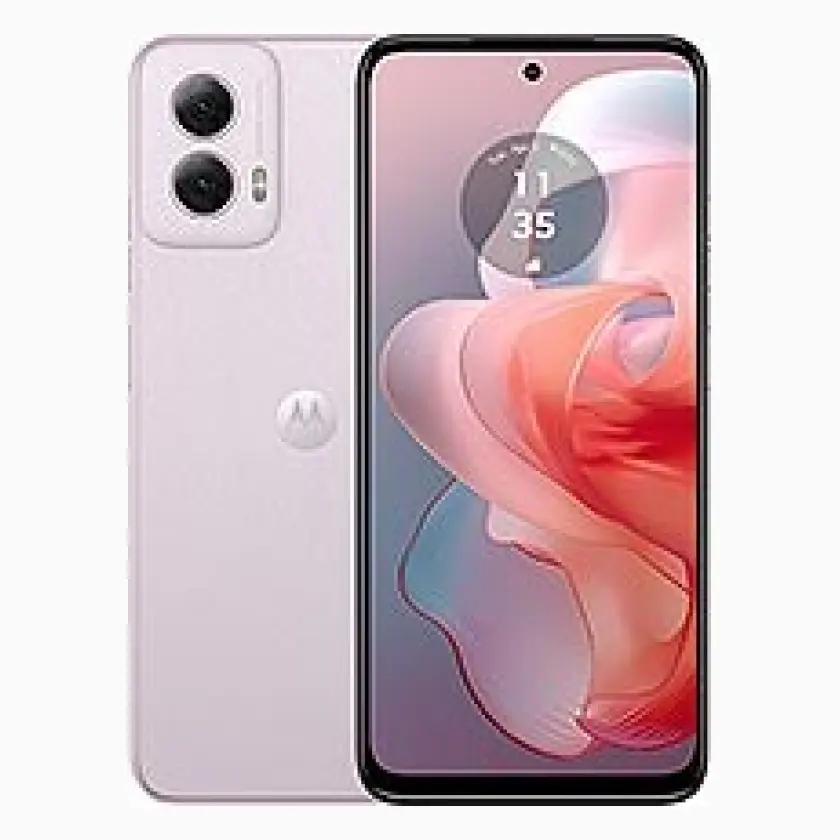
vs
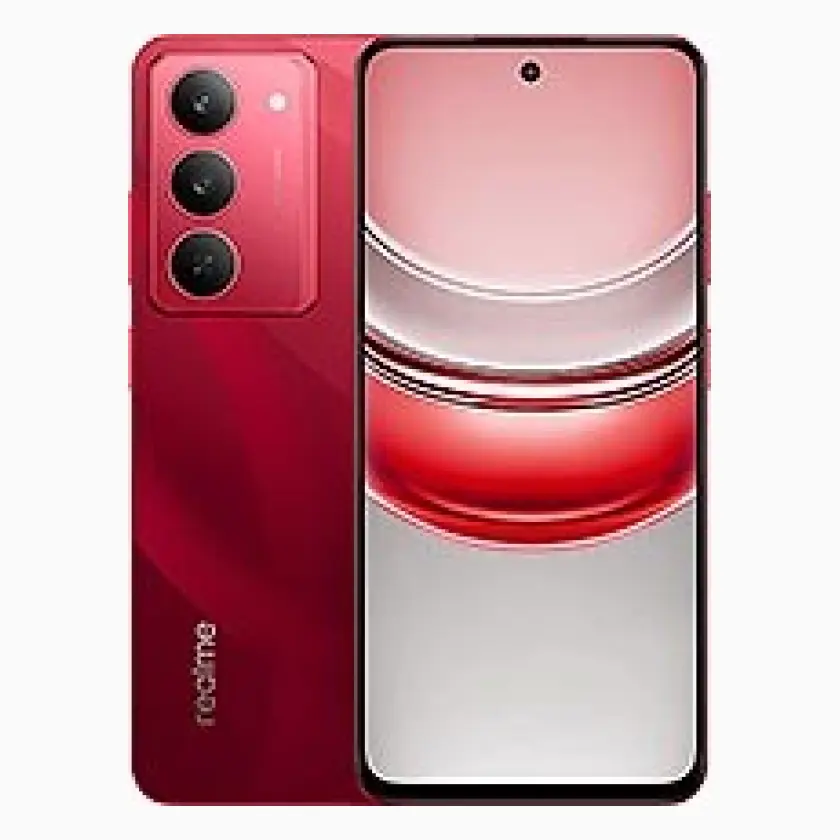
5.9Display5.6
8.0Camera4.6
6.3Battery8.3
9.1Features6.0
Dimensions
Size comparison
Moto G Power (2024)14x (India)
| Moto G Power (2024) | 14x (India) | Difference | |
|---|---|---|---|
| Height | 167.2 mm | 165.7 mm | +1.5 mm |
| Width | 76.4 mm | 76.2 mm | +0.2 mm |
| Thickness | 8.5 mm | 7.9 mm | +0.6 mm |
| Weight | 201 g | 197 g | +4 g |
Drawn to the same scale from the official dimensions (front and side).
Why is Moto G Power (2024) better than 14x (India)?
- Optical stabilisationYes · 14x (India): No
- Wireless chargingYes · 14x (India): No
- NFCYes · 14x (India): No
- Stereo speakersYes · 14x (India): No
- Pixel density393 ppi vs 264 ppi+49%
- Rear cameras2 vs 12×
- Ultra-wide cameraYes · 14x (India): No
- Selfie camera16 MP vs 8 MP2×
- eSIMYes · 14x (India): No
- Resolution (width)1,080 px vs 720 px+50%
Why is 14x (India) better than Moto G Power (2024)?
- Wired charging30 W vs 45 W+50%
- Battery capacity5,000 mAh vs 6,000 mAh+20%
- Peak brightness550 nits vs 625 nits+14%
- CPU frequency2.2 GHz vs 2.4 GHz+9%
- Thickness8.5 mm vs 7.9 mm+8%
Specifications
Side by side
| Design | ||
| Weight | 201 g | 197 g |
| Thickness | 8.5 mm | 7.9 mm |
| Height | 167.2 mm | 165.7 mm |
| Width | 76.4 mm | 76.2 mm |
| Frame | Plastic | — |
| Back | Silicone polymer | — |
| Ingress protection | — | IP68 |
| Water resistance (IPx) | — | IPx8 |
| Colours | Midnight Blue, Pale Lilac | Crystal Black, Golden Glow, Jewel Red |
| Display | ||
| Screen size | 6.7″ | 6.7″ |
| Panel | IPS LCD | IPS LCD |
| OLED panel | No | No |
| Resolution (width) | 1,080 px | 720 px |
| Resolution (height) | 2,400 px | 1,604 px |
| Pixel density | 393 ppi | 264 ppi |
| Refresh rate | 120 Hz | 120 Hz |
| Peak brightness | 550 nits | 625 nits |
| Screen-to-body ratio | 84.8% | 84.9% |
| Performance | ||
| Chipset | Mediatek Dimensity 7020 | Mediatek Dimensity 6300 |
| Chip maker | MediaTek | MediaTek |
| Process | 6 nm | 6 nm |
| CPU cores | 8 | 8 |
| CPU frequency | 2.2 GHz | 2.4 GHz |
| GPU | IMG BXM-8-256 | Mali-G57 MC2 |
| AnTuTu score | 636,779 | — |
| Geekbench 6 (multi-core) | 2,314 | — |
| Memory | ||
| RAM | 8 GB | 8 GB |
| Storage (max) | 128 GB | 128 GB |
| Storage (base) | 128 GB | 128 GB |
| Memory card slot | Yes | Yes |
| Camera | ||
| Main camera | 50 MP | 50 MP |
| Main camera aperture | f/1.8 | f/1.8 |
| Main sensor size | — | 1/2.88" |
| Rear cameras | 2 | 1 |
| Optical stabilisation | Yes | No |
| Ultra-wide camera | Yes | No |
| Telephoto camera | No | No |
| Max video | 1080p | 1080p |
| Selfie camera | 16 MP | 8 MP |
| 4K selfie video | No | No |
| Battery | ||
| Battery capacity | 5,000 mAh | 6,000 mAh |
| Battery type | Li-Po | — |
| Wired charging | 30 W | 45 W |
| Wireless charging | Yes | No |
| Wireless charging power | 15 W | — |
| Connectivity | ||
| 5G | Yes | Yes |
| eSIM | Yes | No |
| Dual SIM | Yes | Yes |
| Wi-Fi standard | Wi-Fi 5 | Wi-Fi 5 |
| Bluetooth | 5.3 | 5.3 |
| NFC | Yes | No |
| USB | USB Type-C 2.0 | USB Type-C 2.0 |
| USB version | 2 | 2 |
| Satellite navigation | GLONASS, GALILEO | GLONASS, GALILEO, BDS, QZSS |
| Features | ||
| Stereo speakers | Yes | No |
| 3.5 mm headphone jack | Yes | Yes |
| Fingerprint sensor | Side | Side |
| Barometer | Yes | — |
| Sensors | Fingerprint (side-mounted), accelerometer, gyro, proximity, compass, barometer | Fingerprint (side-mounted), accelerometer, proximity, compass |
| Software | ||
| OS at launch | Android 14 | Android 14 |
| Platform | Android | Android |
| Interface | My UX | — |
Related comparisons
 vs
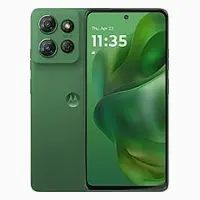
 Motorola Moto G Power (2024)vsZTE nubia Neo 2
7.67.7
 vs
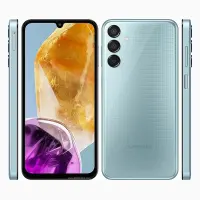
Motorola Moto G Power (2025)vsMotorola Moto G Power (2024)
7.27.6
 vs
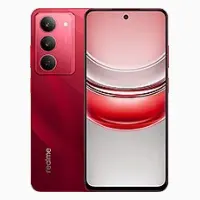 Samsung Galaxy M15vsRealme 14x (India)
7.17.1
vs
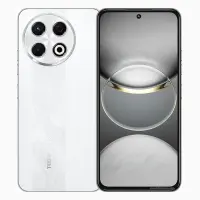 Realme 14x (India)vsTecno Spark 30 Pro
7.17.1
 vs
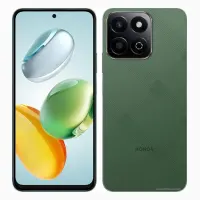
Honor X7c 4GvsRealme 14x (India)
7.17.1
 vs
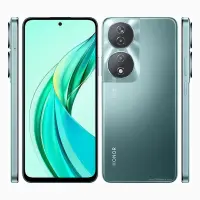
Honor 90 SmartvsRealme 14x (India)
7.07.1